

Literacy
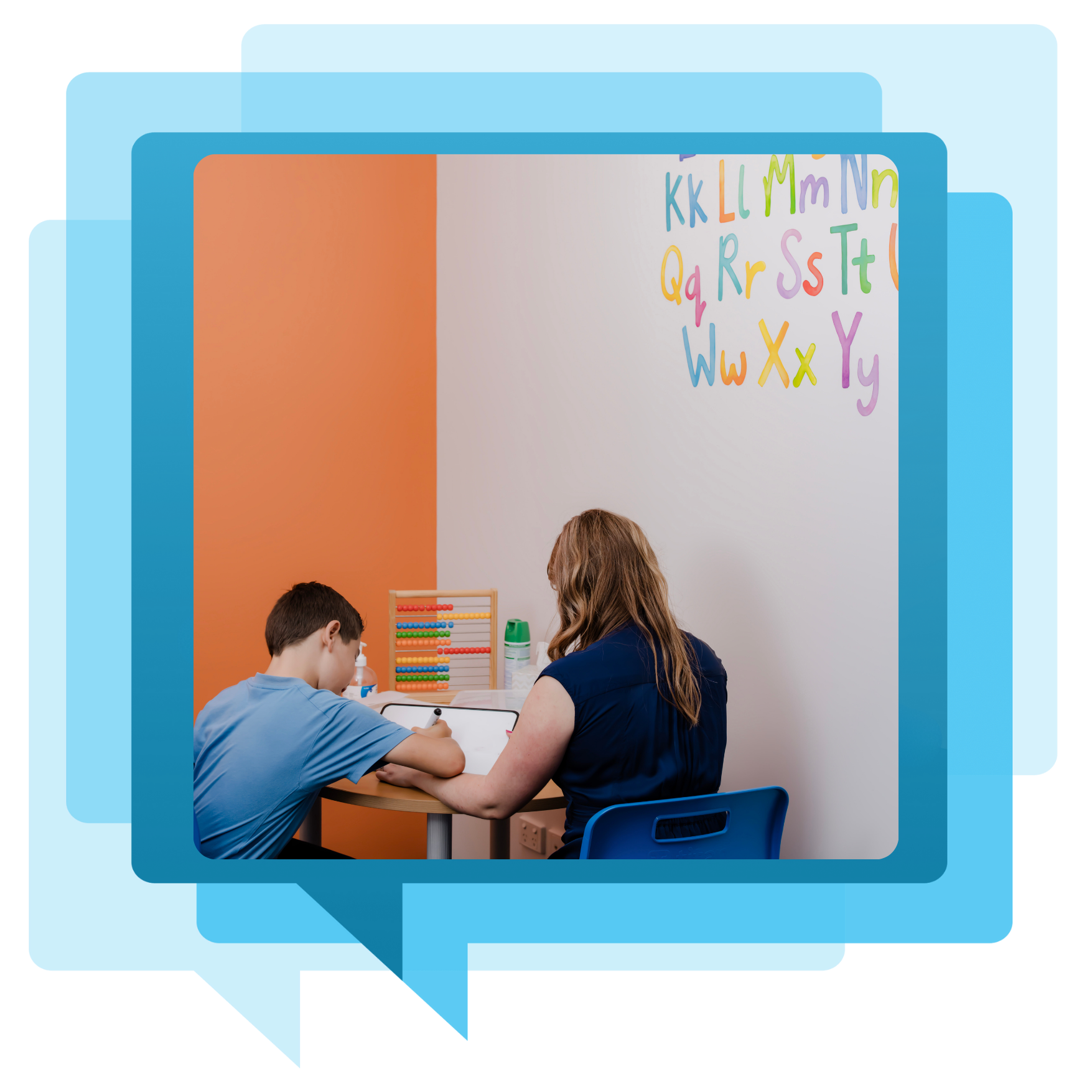
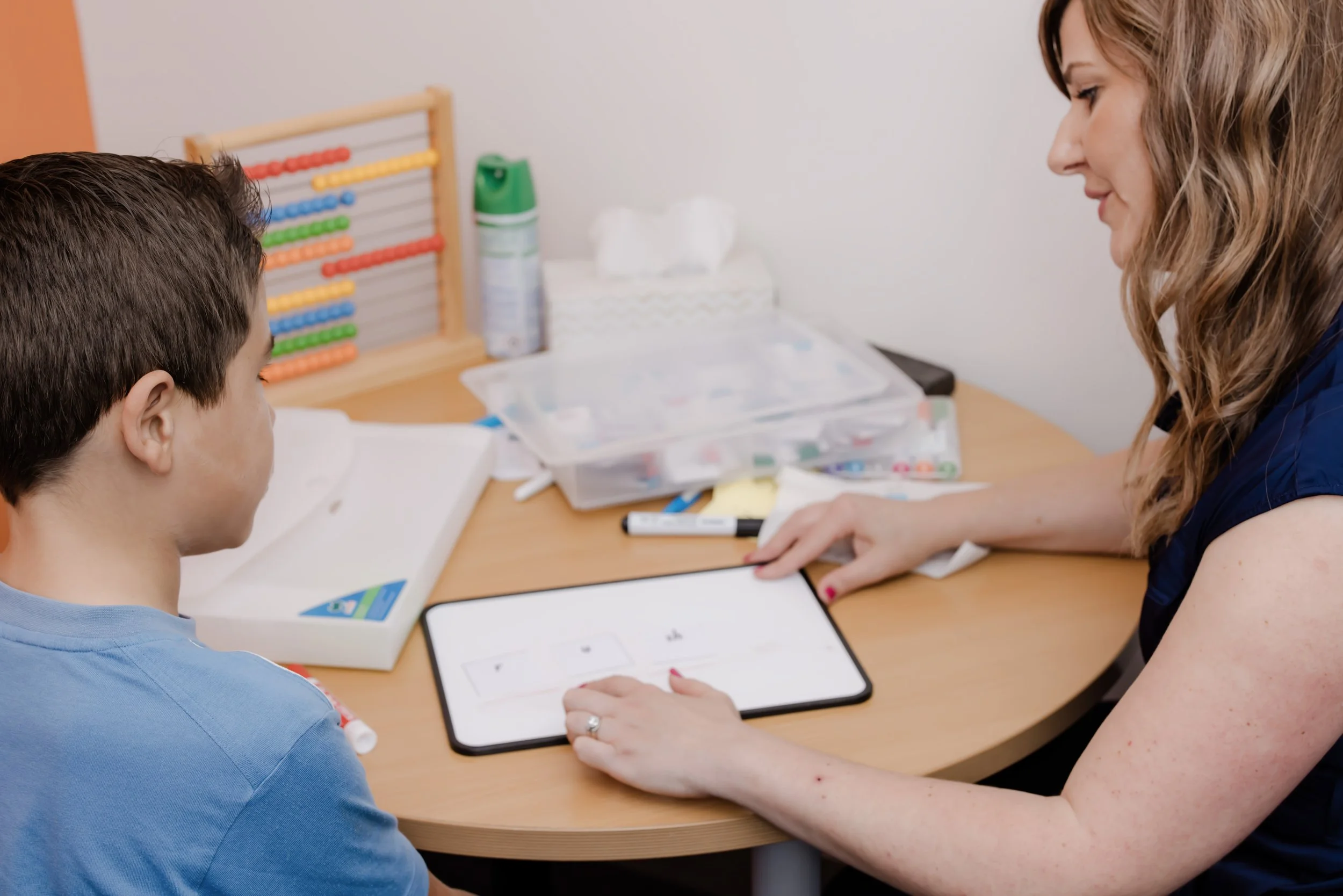
Literacy by simple definition includes the ability to read, write and spell.
There are six key components for evidence-based reading instruction, including:
sound (phonemic) awareness
phonics (letter-sound correspondence)
reading fluency
vocabulary
oral language
language comprehension
Each of these components falls within a speech pathologist’s training and expertise, making us best placed to provide evidence-based instruction and support in this area.
Speech pathologists can play a significant role in literacy development, from assessment to therapy. Some examples include how we promote oral language skills, identify at-risk readers early, and provide therapy for sound awareness, word level reading and spelling.
When to seek help
You may need to seek help for literacy if your child is/has:
falling behind in his/her reading or is finding it a struggle
relying on memorising words but can’t figure out new words and is guessing
conversation that sounds immature compared to peers
trouble pronouncing certain speech sounds
difficulties with sound (phonemic) awareness
difficulties with letter-sound correspondence
struggles with ‘sight’ words and spelling rules
difficulties with attention prior to starting school
social skill difficulties
trouble understanding what he/she has read